Sengoku Dynasty: Review
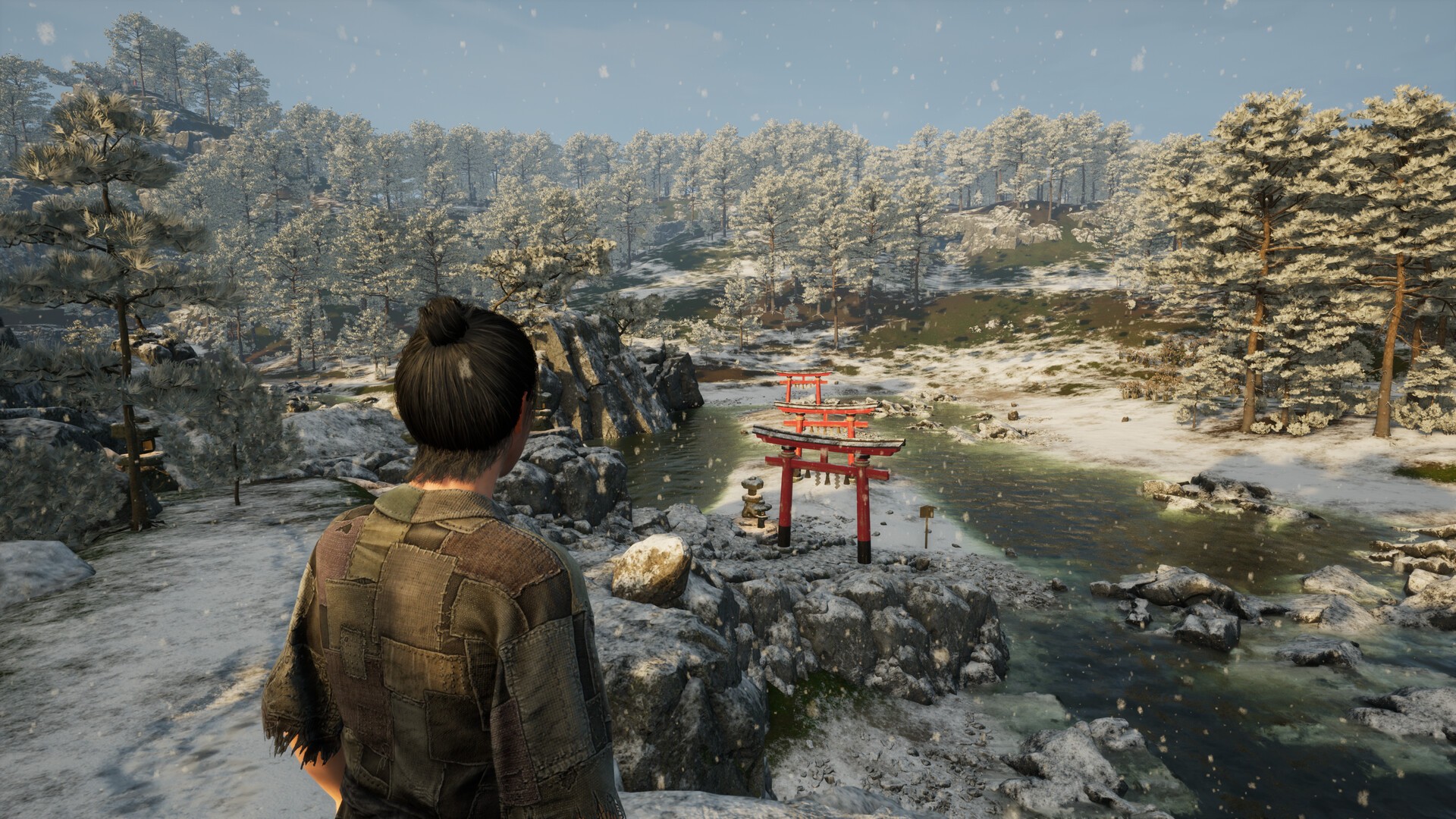
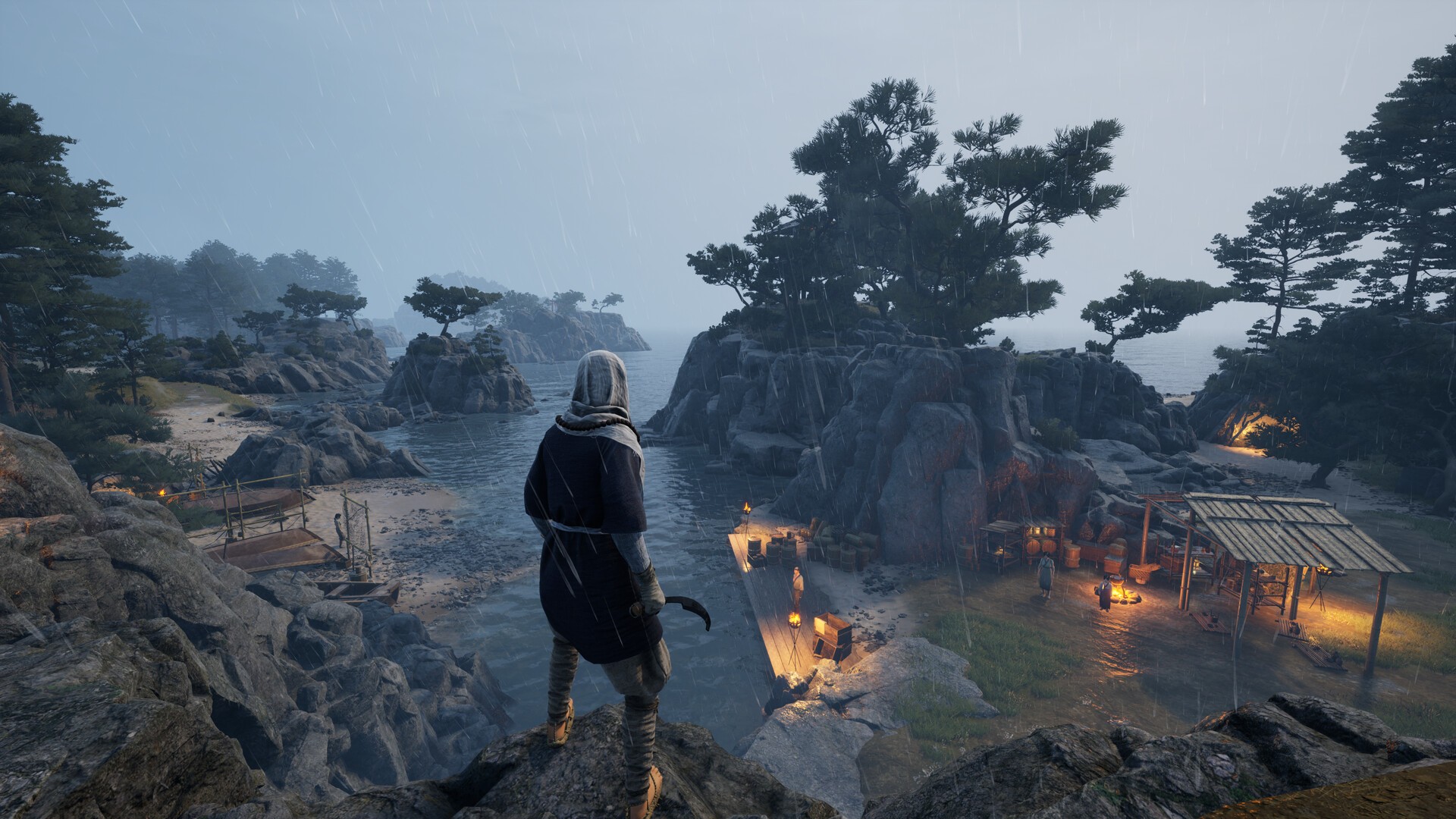
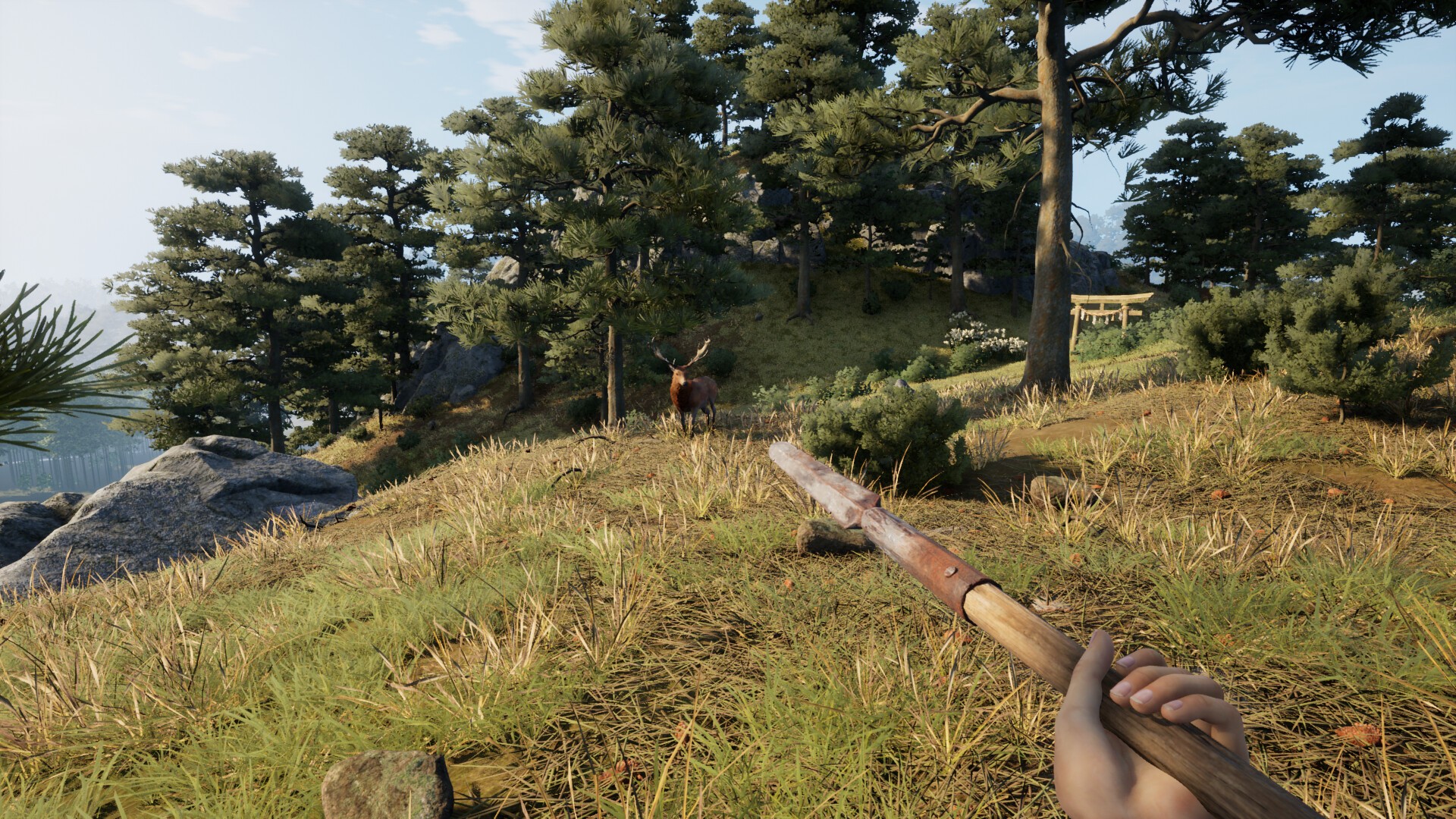
The goal of Sengoku Dynasty is to liberate all regions and manage four villages totaling up to 100 residents. Activities include crafting, building, fighting bandits, and completing quests. You can play solo or in co-op with up to 4 players.
Gathering & Crafting
Resource gathering is intuitive; basic materials are plentiful, while rare harvestables require tool upgrades. Tier-one tools are available immediately, but advanced schematics are locked behind missions or region liberation.
Building & Construction
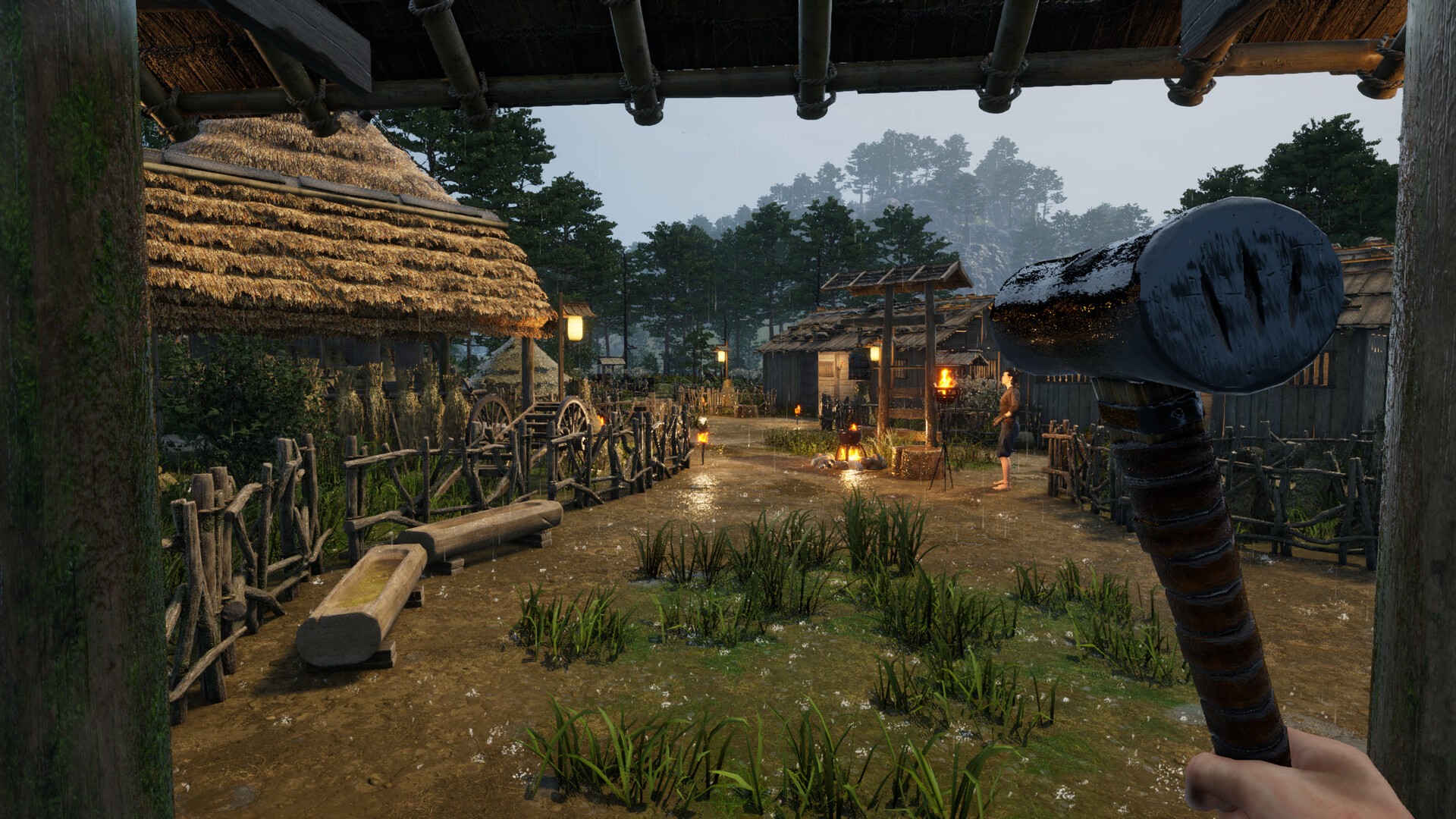
Using a hammer, you can construct housing and production facilities. While you can customize aesthetics (e.g., swapping straw for wood roofs), the mechanical benefits of these choices are currently opaque. Building speed can be improved via the Way of the Craftsman skill tree.
Key Tips & Limitations:
Population Management: To avoid performance lag, limit villages to 25 residents. Spread your population across multiple locations.
Specialization: Dedicate each village to specific professions rather than general production.
Shared Services: Build all service structures (Ice, Food, Water, Wood, Armory, Tools, General Storage) in every village to ensure seamless material sharing.
Road Maintenance: Never stack roads (e.g., stone over sand). This forces the game to load both assets, tanking FPS. Always delete the old path first.
Hunting & Combat
Combat is functional and fair, though simple. To control a region, you must complete a Special Project and defeat a bandit boss.
Pro Tip: Place a fast-travel portal near boss arenas to avoid long "corpse runs" if you die.
Combat Score: 8/10
Raiding (Bushido Update)
Raids introduce village defense mechanics. While exciting, the system needs polish; bandits often spawn in illogical locations (like water or inside town walls) and tend to target the same villages repeatedly.
Raiding Score: 4/10
Questing & The Dynasty Cycle
Quests reward Dynasty XP, which is vital for progression.
The Dynasty Questline: You can marry and have a child. After a period of education, you switch control to the child, gaining a new profession and a head start.
Warning: Switching characters "resets" your progress. If you are close to maxing skills or achievements on your current character, delay finishing the Abbot’s final quest.
Questing Score: 7/10
Co-op & Technical Performance
Early/Mid-Game: Smooth and highly playable with up to 60 villagers. (9/10)
End-Game: Performance degrades at 60+ villagers. Issues include long load times, invisible assets, and "sync pauses" during autosaves or season changes that can freeze actions for up to 10 minutes. (5/10)
Management & AI
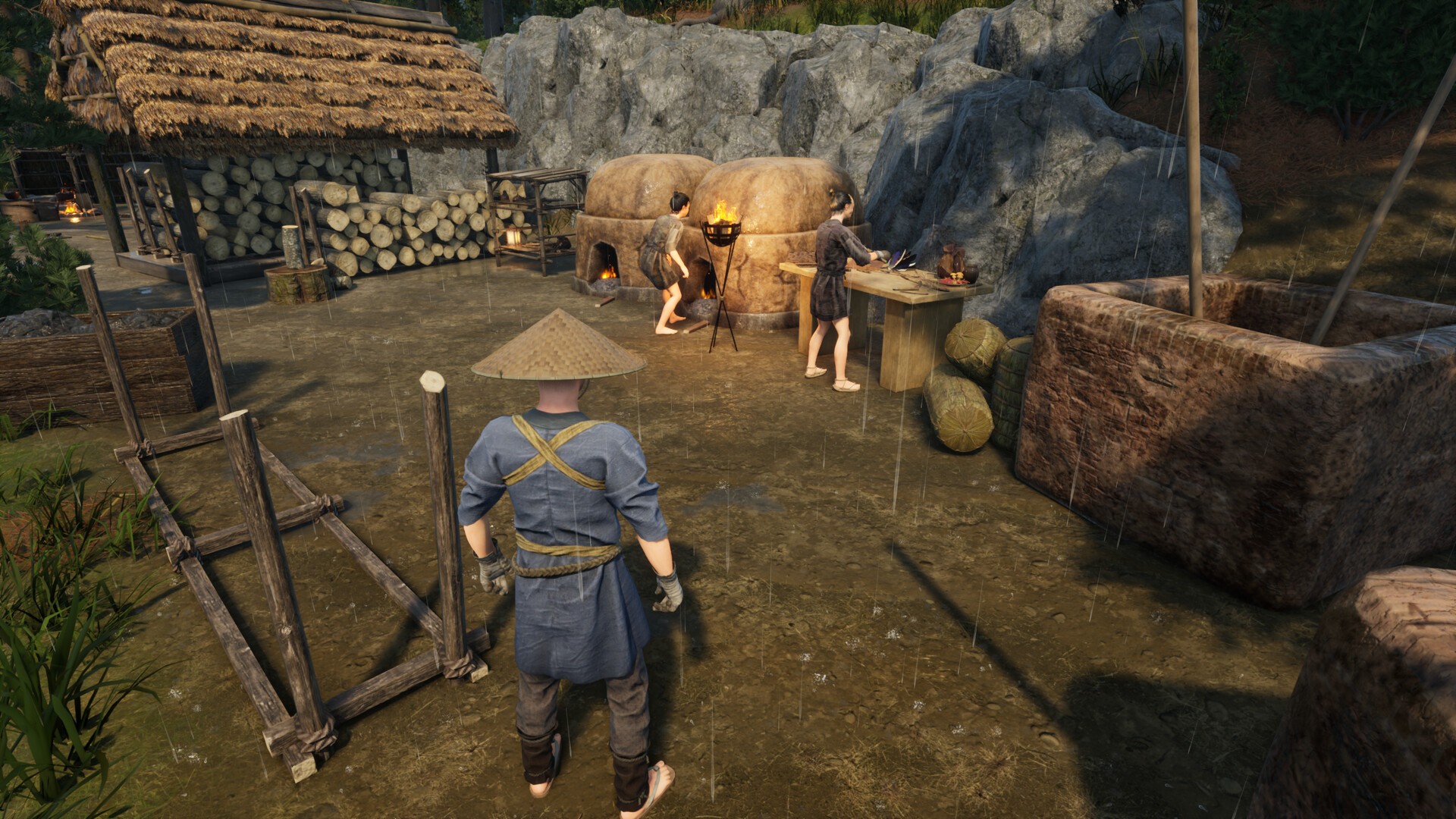
Village management is the game’s strongest suite. Assigning beds, jobs, and production quotas is deep and rewarding. However, villager AI occasionally snags on geometry, halting production.
Management Score: 9/10
AI Pathfinding Score: 6/10
Skill Trees
There are four distinct trees to master:
Dynasty: Village happiness/management (Capped at Level 20).
Crafting: Gathering, farming, and building.
Warrior: Combat and hunting efficiency.
Monk: Trading and cost reduction.
Final Conclusion
Sengoku Dynasty is a fantastic blend of survival and city-building for fans of feudal Japan. While the endgame currently struggles with technical hurdles and lag, the developers are actively improving the experience. It is a stellar journey from start to mid-game.
-
In-depth management: Assigning jobs, beds and production for villagers
-
Flexible play (hunting, crafting, building)
-
Co-up fun
-
End-game is laggy (once you hit over 60+ villagers)
-
AI pathfinding (villagers can get stuck)
-
Raid spawns (Bandits appear on the weirdest places).